Skip to content
The Scuba Experience
Menu
Home
About
Diving
Diving Course
Learning
Privacy Policy
Contact
Blog
Read More
October 20, 2026
October 20, 2026
Claire
Claire
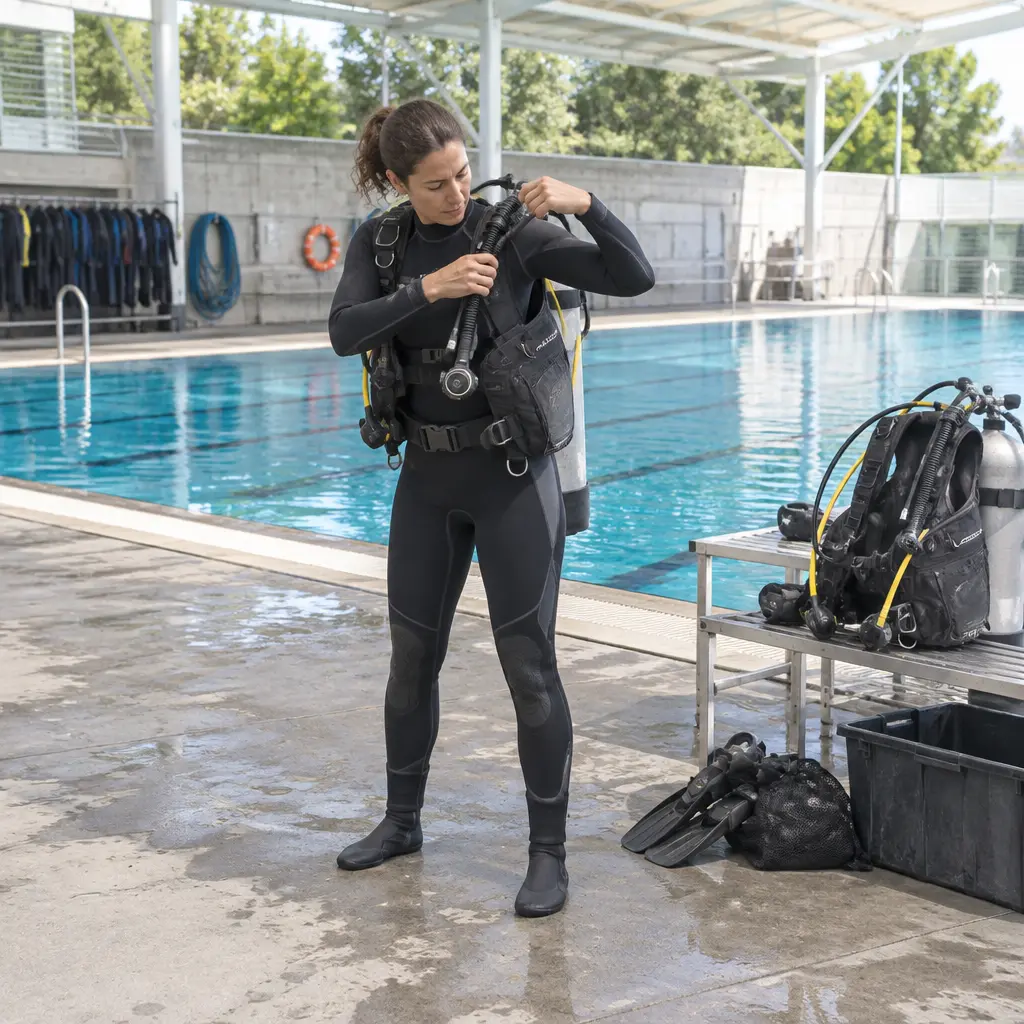
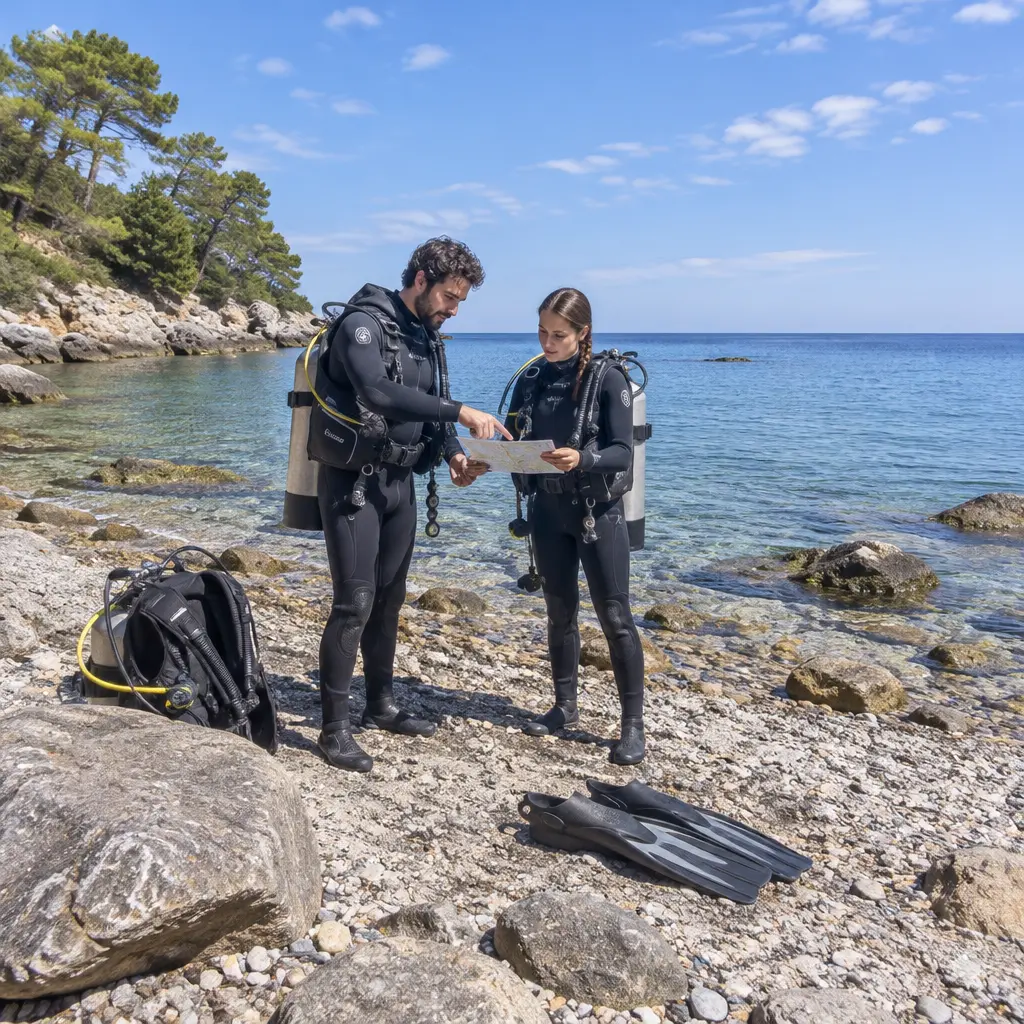
Gear Configuration Optimization Customizing BCD And Regulator Setup For Personal Comfort
A buoyancy control device (BCD) and regulator setup is the arrangement of a diver’s buoyancy,…
0 Comments
Read More
October 15, 2026
October 15, 2026
Claire
Claire
Safety Protocol Rigor Practicing Emergency Ascents Until Muscle Memory Takes Over
Safety protocol rigor in emergency ascents means learning and repeatedly rehearsing a planned, controlled response…
0 Comments
Read More
October 10, 2026
October 10, 2026
Claire
Claire
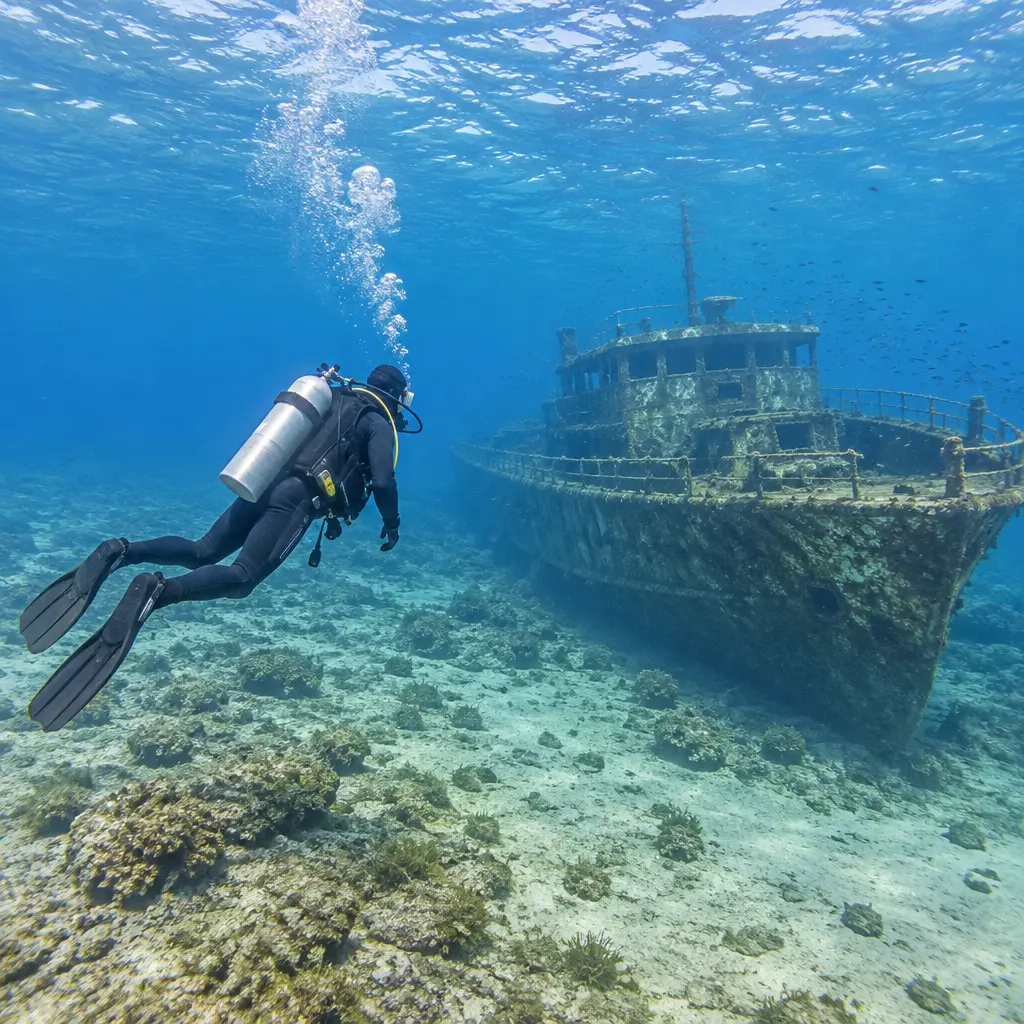
Wreck Diving Ethics Preserving Historical Sites While Avoiding Structural Entry Hazards
A wreck is both a dive site and, in many cases, a historical place containing…
0 Comments
Read More
October 5, 2026
October 5, 2026
Claire
Claire
Advanced Deep Diving Managing Nitrogen Narcosis Risks Beyond Recreational Limits
Advanced deep diving exposes divers to elevated nitrogen partial pressures, which can impair judgment, coordination,…
0 Comments
Read More
October 1, 2026
October 1, 2026
Claire
Claire
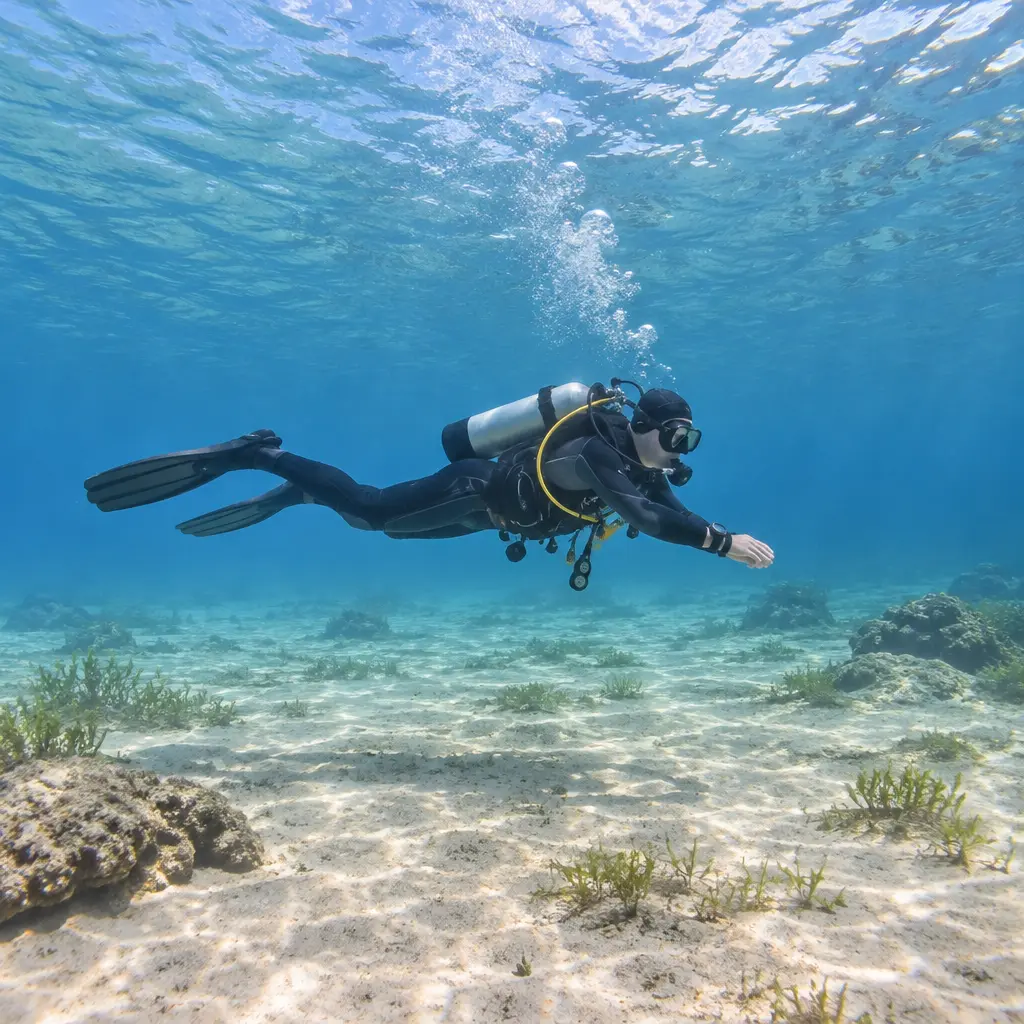
Buoyancy Control Mastery Reducing Air Consumption Through Precise Weight Distribution
Buoyancy control is a diver’s ability to regulate movement up, down, or at a steady…
0 Comments
Read More
September 15, 2026
September 15, 2026
Claire
Claire
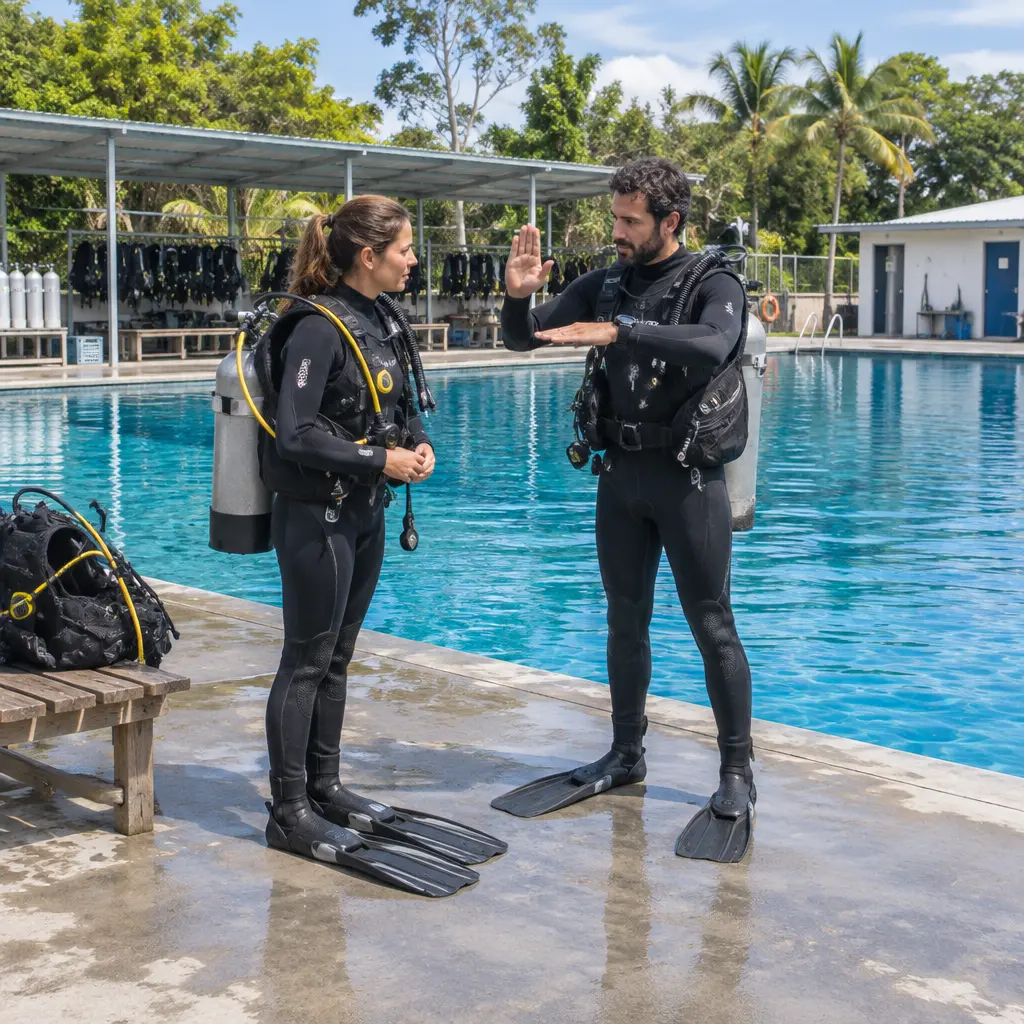
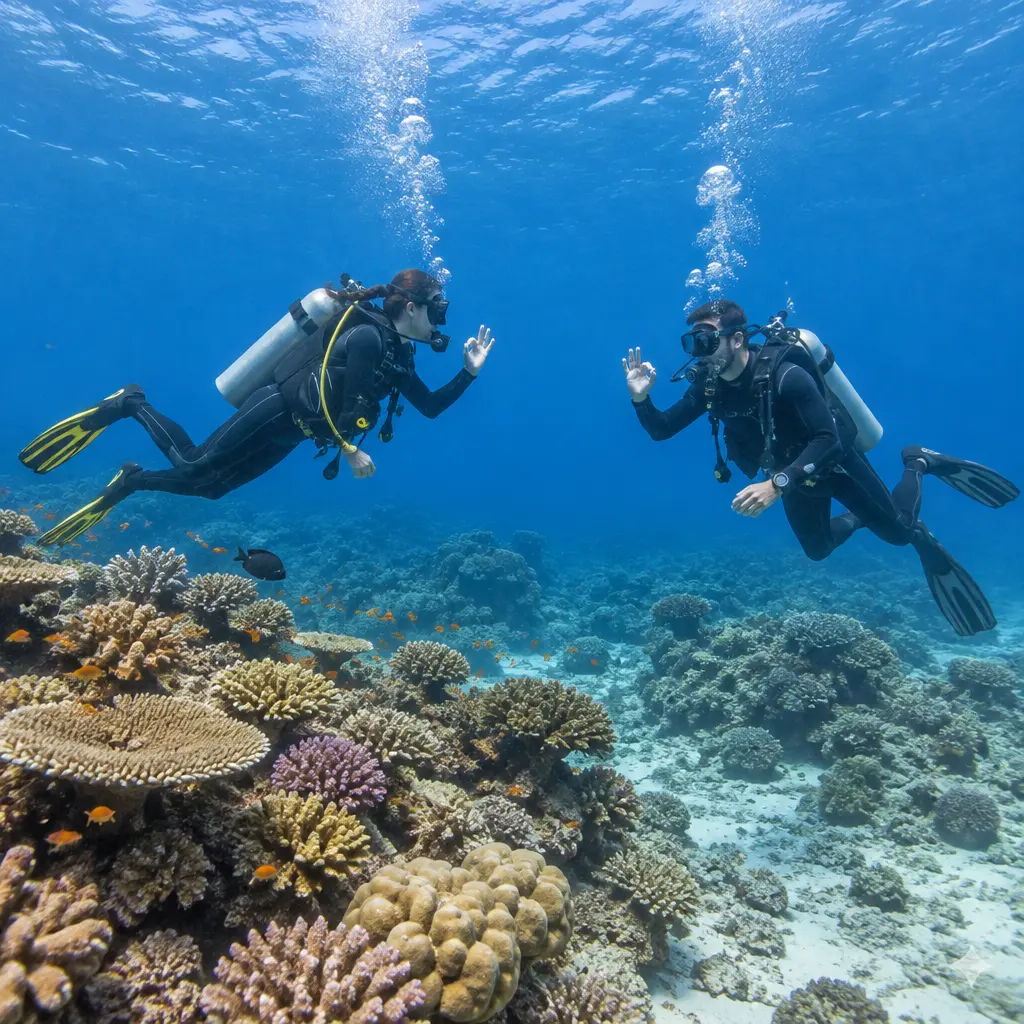
Hand Signals Every Diver Should Know
Scuba diving hand signals are standardized underwater gestures that let divers share essential information when…
0 Comments
Read More
September 12, 2026
September 12, 2026
Claire
Claire
Specialty Courses That Build Real Diving Skills
Scuba diving specialty courses build real diving skills by giving certified divers focused, supervised practice…
0 Comments
Read More
September 9, 2026
September 9, 2026
Claire
Claire
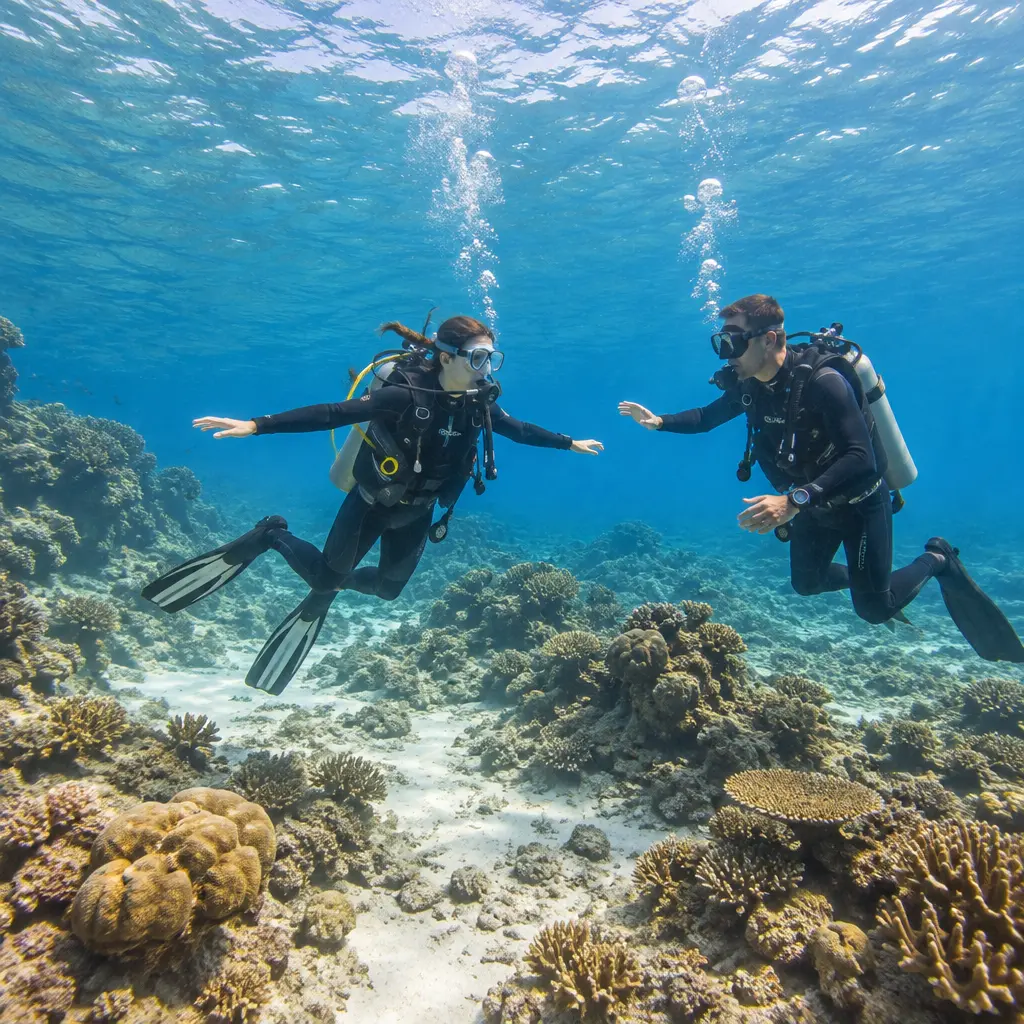
Five Core Skills Every Entry-Level Diver Should Master
Entry-level scuba divers are newly certified divers learning to apply safe diving practices in open…
0 Comments
Read More
September 6, 2026
September 6, 2026
Claire
Claire
The Hidden Skills Behind Every Relaxed Dive
Scuba Diving Skills: The Hidden Foundations of a Relaxed Dive A relaxed scuba dive is…
0 Comments
Read More
September 3, 2026
September 3, 2026
Claire
Claire
Scuba Training Mistakes That Cost Time and Money
Scuba training mistakes are avoidable errors in preparation, practice, or course planning that can lead…
0 Comments
Posts pagination
1
2
…
6
Next page
Search
Search
Gear Configuration Optimization Customizing BCD And Regulator Setup For Personal Comfort
Safety Protocol Rigor Practicing Emergency Ascents Until Muscle Memory Takes Over
Wreck Diving Ethics Preserving Historical Sites While Avoiding Structural Entry Hazards
Advanced Deep Diving Managing Nitrogen Narcosis Risks Beyond Recreational Limits
Buoyancy Control Mastery Reducing Air Consumption Through Precise Weight Distribution
YouTube